
From Emotional Collapse to Mindfulness: Techniques for Soothing Young Children (and Yourself)

If you’ve ever watched your child melt down in the middle of the grocery store because you picked the wrong color cereal box, you know that parenting isn’t for the faint of heart. The tears, the flailing limbs, the red faces—it’s not just your child’s emotions that feel out of control. Sometimes, yours do too.
We all dream of being the calm, centered parent who handles chaos with grace. But in real life? When your toddler screams for twenty straight minutes or your preschooler hurls a toy across the room, it can feel impossible to stay grounded.
This guide will help you move from emotional collapse to mindfulness, using practical techniques that nurture peace in your child and in yourself.
Why Children Lose Control (and Why It’s Normal)?
Young children are still developing the part of the brain responsible for regulating emotions—the prefrontal cortex. That means when they feel overwhelmed, frustrated, or scared, their “thinking brain” shuts down, and their “feeling brain” takes over.
In that state, logic doesn’t work. Telling a sobbing three-year-old to “calm down” or “stop crying” is like telling a tornado to relax. They can’t access reason yet.
What they need first is connection. Only after they feel safe and understood can they begin to calm down.
This is where mindfulness enters—not just for your child, but for you.
Step One: Start with Yourself
It might sound backward, but the first step in soothing your child is soothing yourself.
Children are emotional sponges. They pick up on your tone, your breathing, even your posture. If you’re tense or angry, they’ll feel it instantly—and it often intensifies their distress.
When you stay calm, you lend your nervous system to theirs. You literally help their body regulate through yours.
Here’s how to start grounding yourself in the heat of the moment:
1. Breathe Before You Speak
It’s simple, but powerful. Take one deep breath—slowly in through your nose, slowly out through your mouth. If you can, imagine exhaling the tension out of your shoulders.Even two or three conscious breaths can shift your body from “fight or flight” to “rest and repair.”
2. Name Your Feeling
Say silently to yourself: “I’m frustrated,” “I feel overwhelmed,” or “I’m scared this will never stop.”Naming your emotion helps you step outside of it. You’re not suppressing it; you’re noticing it with compassion.
3. Lower Your Voice
Children often mirror the volume and energy around them. If you whisper, they tend to quiet down. Calm is contagious—but so is chaos.
4. Pause Instead of Reacting
It’s okay to take a moment before responding. You might say,
“I need a second to take a deep breath before we talk.”
This models emotional regulation in real time.
When you calm yourself first, you become the emotional anchor your child needs.
Step Two: Connect Before You Correct
Once you’ve grounded yourself, the next step is to connect. Emotional connection doesn’t mean giving in to every demand—it means showing empathy before trying to fix anything.
Imagine this: your child is screaming because you cut their sandwich in triangles instead of squares. You’re tempted to say, “That’s ridiculous. It’s still the same sandwich!” But that shuts down the emotional bridge.
Instead, try empathy first.
“You really wanted it to be in squares. That’s disappointing.”
When your child hears understanding instead of dismissal, their body starts to relax. They feel seen, and that begins to calm their nervous system.
This approach is often summed up as:
Connect first, correct later.
Here are a few connection phrases you can use in emotional moments:
“You’re really upset right now, huh?”
“That made you feel angry.”
“It’s hard when things don’t go your way.”
“I’m right here with you.”
Notice none of these are solutions—they’re invitations to be understood. Once your child feels safe, problem-solving becomes possible.

Step Three: Use Mindful Soothing Techniques
Once you’ve established connection, you can gently guide your child toward calming their body and mind. These techniques work best when practiced regularly, not just during meltdowns, so they become familiar tools your child can draw on.
1. The “Calm-Down Breath”
Teach your child to take slow, deep breaths with you. You can make it playful:
Smell the flower, blow out the candle.
Have them pretend to sniff a flower (inhale) and then blow out a candle (exhale).
Belly Breathing: Place a small stuffed animal on their belly and watch it rise and fall. It turns breathing into a visual game.
2. The “Five Senses Grounding Game”
This helps bring your child (and you) back to the present moment. Ask them gently:
“Can you name 5 things you can see?”
“4 things you can touch?”
“3 things you can hear?”
“2 things you can smell?”
“1 thing you can taste?”
It’s mindfulness disguised as play.
3. The Comfort Corner
Create a small, cozy spot at home—a beanbag, some soft toys, maybe calming pictures or books. This isn’t a “time-out” space; it’s a “peace place.”
When your child feels overwhelmed, they can go there to rest, breathe, or cuddle a favorite toy. You can sit with them or give them space, depending on what they need.
4. The Power of Touch
For many children, gentle touch is deeply regulating. A hand on the back, a warm hug, or holding their hand communicates safety without words.
If your child resists touch during a meltdown, respect that—but let them know you’re nearby when they’re ready.
5. Use Visual Cues
Some children respond better to visual reminders than verbal ones.
You can draw a “Feelings Thermometer” together, showing how emotions rise and fall. It helps them see that anger and sadness have a beginning, middle, and end—and that calm is always possible again.
Step Four: Talk About Emotions Later
Once your child has calmed down, that’s when learning can happen. After the storm passes, take a few minutes to talk through what happened.
Keep your tone gentle and curious:
“Wow, you were really upset earlier. What was going on for you?”
“What helped you feel better?”
“Next time you feel that mad, what could we try?”
This reflection helps your child start building emotional intelligence—the ability to recognize, understand, and manage feelings.
But timing matters. Don’t try to teach during the meltdown. That’s like giving swimming lessons in a thunderstorm.
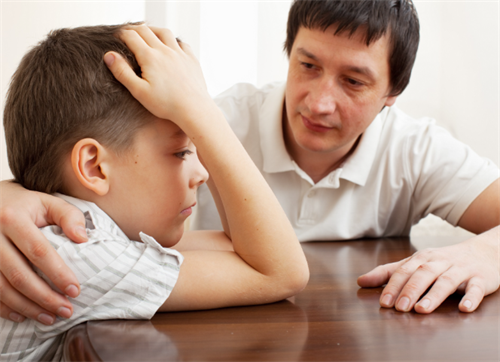
Step Five: Build Daily Mindfulness Rituals
You don’t need to wait for a meltdown to practice mindfulness. Small daily rituals can help your child stay more balanced—and make emotional recovery easier when storms do hit.
Here are some family-friendly ways to weave mindfulness into everyday life:
1. Morning Check-In
At breakfast or on the way to school, ask,“How’s your heart today?” or “What color is your mood?”
Use simple colors: green for calm, yellow for silly, red for angry, blue for sad. This gives your child a safe language for feelings.
2. Gratitude at Dinner
Each night, share one thing you’re grateful for. This trains the brain to notice positive moments and fosters emotional resilience.
3. Bedtime Breathing
End the day with three deep breaths together. You can say,“Inhale peace, exhale worry.”
It’s a beautiful ritual for closing the day.
4. Mindful Walks
Take short walks where you both notice what you see and hear:“I hear the birds.” “I see the clouds moving.”It’s simple grounding disguised as exploration.
5. Modeling Mindfulness Yourself
Let your child see you practicing calm. When you’re stressed, say out loud:“I’m feeling overwhelmed, so I’m going to take a few deep breaths.”
Children learn emotional regulation by watching, not just listening.
When It’s You Who Melts Down?
Even the most patient parent has moments of collapse. You yell, you slam a door, you say something you regret. It happens.
But here’s something many parents don’t realize: your repair afterward matters even more than your mistake.
When you calm down, go back to your child and say,“I was upset and I yelled. I’m sorry. I should have taken a breath instead. I love you, and I’m learning too.”
That one act models accountability, empathy, and emotional growth. It teaches your child that strong feelings are normal—and that relationships can heal.
Parenting isn’t about never losing your temper; it’s about repairing and reconnecting when you do.
Parenting is one of the most emotionally demanding—and spiritually rewarding—journeys we can take.There will be moments when you lose your patience, when you question your strength, when you think you’re getting it all wrong. But every time you choose to slow down, breathe, and respond with kindness, you’re planting seeds of peace in both you and your child.
Recommend for you:

Sibling Rivalry: From Fighting to Friendship
Sibling rivalry can feel endless, and sometimes, it leaves you wondering if your kids will ever get along.
The Power of Games: Unlocking Children’s Language, Brain, and Social Skills
When you think of children playing games, you might picture giggles, shouts, and perhaps a little friendly chaos.
How should parents apologize to their children when they have made mistakes?
For many parents—especially in traditional cultures—apologizing to a child feels uncomfortable or even inappropriate.
Why Free Time Is Crucial for Developing Creativity?
In a world that seems busier than ever, children’s days are often packed from morning to night—school, sports, homework, music lessons, language classes, and maybe a few minutes of screen time squeezed in before bed.