
How to Choose the Right Summer Camp for a Child with Special Needs?

When an eight-year-old boy with autism went missing during a summer camp, his tragic story shook the hearts of countless families. After four days of searching, his body was found in a mountain stream. What made the tragedy even more painful was not only the loss of a young life, but also the cruel comments that followed online — people saying, “Perhaps his parents are finally free.”
As a special education teacher for more than twenty years, I can tell you: no parent of a child with special needs ever feels “free” after losing their child. It is not relief — it is devastation.
This heartbreaking case reminds us why parents must be extremely cautious when choosing a summer camp, especially for children who need additional care and support.
The Hidden Dangers Behind “Inclusive” Summer Camps:
Many so-called “summer camps” are not equipped to support children with special needs — and some aren’t even properly licensed to operate as childcare programs.
In this case, the camp’s official registration listed it merely as a “domestic service company.” Of the four adult supervisors, only one held a first-aid certificate. The rest didn’t even know how to apply a simple bandage. Yet they took children — including one with autism — into the mountains during the rainy season.
They called it “free playtime,” but in reality, it meant no supervision at all. Imagine a child who struggles with understanding danger wandering alone on a slippery mountain path during a storm. It’s not freedom — it’s a fatal risk.
A friend of mine, whose son also has autism, had a similar close call. During swimming lessons, the coach announced “free time.” The boy wandered into the deep-water zone. Fortunately, a college student nearby reacted quickly and pulled him out just in time. When confronted, the coach admitted he didn’t understand what autism was.
This is not inclusion — it’s negligence. A program that claims to be “inclusive” but fails to understand or prepare for children’s special needs is playing with lives.
Understanding Autism: Beyond Misconceptions
People often misjudge children with autism as “disobedient” or “difficult.” The truth is far from that. Many children on the spectrum simply cannot grasp the concept of “danger.” They might chase a butterfly, follow the sound of running water, or wander off without realizing they’re lost.
Behind every small progress — like learning to call “Mom” or “Dad,” or putting on clothes independently — there are thousands of repeated attempts, sleepless nights, and tears of both frustration and joy.
One father I know, Mr. Zhang, has been raising his autistic son for seven years. He and his wife sell breakfast on the street to afford therapy sessions. Today, their ten-year-old can dress himself and greet others. “That’s not a burden,” Mr. Zhang said, smiling. “That’s our hope.”
Three Essential Questions Before Choosing Any Camp:
If you’re a parent considering a summer camp or activity program for your child with special needs, remember to ask these three critical questions before signing up:
1. Is the camp legally qualified and properly licensed?
Do not be fooled by colorful brochures or charming slogans. Ask for real documentation — certifications, insurance, safety procedures, and emergency protocols. A legitimate camp should be transparent about its qualifications and risk management plans.
2. Do the staff have experience with special needs children?
This is non-negotiable. Ask directly:
Have you worked with children who have autism, ADHD, or developmental delays?
How do you manage behavioral challenges?
How do you ensure emotional regulation and safety in group settings?
If they hesitate or say “All kids are the same,” that’s your cue to walk away.
Experience and empathy make all the difference. A parent in my neighborhood once enrolled her mildly autistic daughter in an art class where the teacher quickly labeled her as “uncooperative.” In another program where the teacher understood her needs, the same girl flourished — simply because she was given a quiet seat and occasional breaks. Compassion is the difference between rejection and growth.
3. Will my child ever be left alone?
Children with special needs should never be left unsupervised. A one-on-one caregiver, or at least a dedicated staff member, should always be within reach.
A mother I know never lets her autistic son out of sight at the park. When I once asked if she was tired, she replied, “Of course I am. But that’s my responsibility.” Every parent of a special child understands that sentiment deeply.
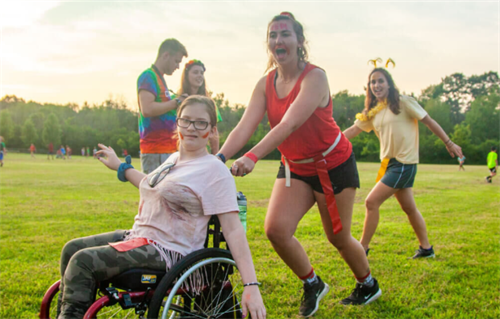
Moving Beyond Judgment: What Society Can Do
Despite progress, our societies still have a long way to go in embracing children with disabilities. Instead of insensitive remarks like “The parents are free now,” we should ask — how can we help?
Here’s what each of us can do:
Offer a kind smile when you see a special needs child or their caregiver.
Teach your own children empathy — if they ask why another child behaves differently, explain gently that “everyone’s brain works a bit differently.”
Support inclusive programs, whether by volunteering, donating, or simply spreading awareness.
Encourage institutions and schools to provide professional training instead of relying on empty “inclusive” labels.
Compassion costs nothing, but it can mean everything.
Why Summer Camps Can Still Be Valuable for Children with Autism?
After the Yunnan tragedy, many parents wondered: Should children with autism even attend summer camps at all?
The answer is yes — but only if the camp is carefully chosen and well-prepared.
One mother shared her experience with her 8-year-old son, Xiaoyu, who was diagnosed with autism at age five. He feared strangers and froze in unfamiliar environments. Yet one day, he watched other kids laughing and playing outside and whispered, “Mom, I want to play too.”
That moment broke her heart — and gave her courage.
She eventually found an inclusive camp that understood her son’s needs. What followed wasn’t smooth, but it changed their lives.
Why Experience Matters More Than “Safety Indoors”?
Keeping children home may feel safe, but isolation can hinder growth. Carefully chosen outdoor experiences can do wonders for children with special needs:
1. Social Practice in Real Life
Social skills are best learned in natural settings. A camp provides structured yet flexible opportunities to interact, share, and build friendships — experiences no classroom can fully replicate.
2. Learning Rules Through Experience
Rules like “wait your turn” or “clean up after yourself” make sense only when practiced in group settings. Through repetition and modeling, children begin to internalize social norms.
3. Sensory and Emotional Regulation
Nature provides a calming and stimulating balance — feeling grass underfoot, hearing birds, and watching clouds can help children self-regulate far better than artificial environments.
4. Building Independence and Confidence
Completing small tasks — packing a backpack, joining a group game, or accepting help — all strengthen a child’s confidence. Every “I did it!” moment plants the seed of self-worth.
5. Giving Parents a Break
Caring for a child with special needs is physically and emotionally draining. A few days of respite can help parents recharge — making them better caregivers in the long run.
Avoid These Common Pitfalls When Choosing a Camp:
Even the best intentions can go wrong if preparation is missing. Here are essential guidelines:
1. Check whether the camp truly understands autism
Don’t settle for vague promises like “We love all kids.” Ask for proof of training, experience, and specific examples. If necessary, bring your own “shadow teacher” or aide.
2. Inspect the environment
Visit in person if possible. Observe the noise level, layout, and available quiet zones. Avoid overly stimulating environments. Look for visual aids like schedules or signs — these help children with autism feel secure.
3. Provide a detailed “Child Profile”
Before camp starts, share a short document explaining your child’s communication style, triggers, calming strategies, interests, and routines. Include dietary or medical notes. The more the staff knows, the better they can support your child.
4. Flexibility is key
Choose camps that allow alternative participation. If your child prefers building blocks while others play team games, that’s okay — inclusion means adaptation, not forced conformity.
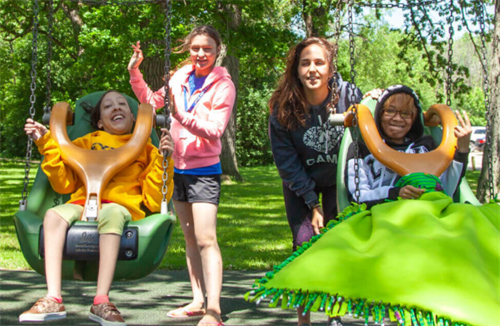
Making Summer Camp a Success: Four Parent Strategies
1. Practice before camp begins
Use photos or simple stories to show what the camp will look like. Role-play activities like greeting new friends, packing bags, or waiting in line.
2. Say goodbye calmly
Keep drop-off short and positive. Promise a specific pickup time and stick to it. Sneaking away may increase anxiety.
3. Communicate wisely with teachers
Agree on a daily update system — a text or brief note works better than constant calls. Ask how your child is coping and what you can reinforce at home.
4. Celebrate progress afterward
When your child returns, focus on achievements, not problems. “I saw your drawing — it’s wonderful!” means far more than “Did anyone bother you today?”
Safety and Preparation: Non-Negotiable Priorities
Special needs children require an extra layer of protection — not fear, but proactive planning:
-Maintain a low staff-to-child ratio (ideally 1:3 or even 1:1).
-Ensure every staff member knows emergency procedures and the nearest medical facility.
-Provide a tracking bracelet or ID tag for outdoor activities.
-Review and sign a written emergency protocol with the camp.
-Preparation prevents panic — and saves lives.
Every Child Deserves to See the Sunlight:
Children with autism or other special needs deserve the same joy and exploration as every other child — running under the sun, laughing by the lake, gazing at the stars.Our responsibility as parents and educators is to make that possible, safely and thoughtfully.Keeping them under our wings forever may feel protective, but opening the world to them — little by little — is the truest form of love.
Recommend for you:

From Emotional Collapse to Mindfulness: Techniques for Soothing Young Children (and Yourself)
If you’ve ever watched your child melt down in the middle of the grocery store because you picked the wrong color cereal box, you know that parenting isn’t for the faint of heart.
The Power of Games: Unlocking Children’s Language, Brain, and Social Skills
When you think of children playing games, you might picture giggles, shouts, and perhaps a little friendly chaos.
How Parents Can Manage Stress and Reclaim Balance?
Every parent, no matter how devoted, faces moments when the demands of family life seem to exceed their emotional or physical capacity.
How to Rebuild Your Career After a Full-Time Parenting Break?
For many women, stepping away from the workforce to raise children is a deeply intentional and meaningful choice.