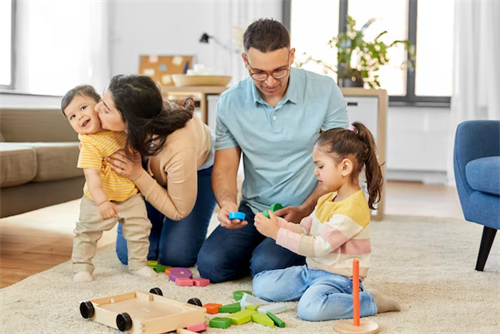
Practicing Montessori Education at Home: Simpler Than You Think
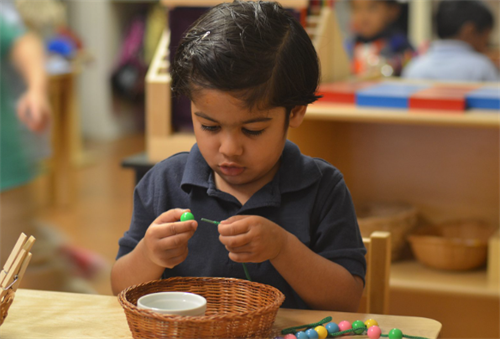
If you’ve ever seen a Montessori classroom, you might picture children quietly focused on activities—pouring water, tying laces, arranging flowers—while teachers move gently in the background. Everything looks calm, intentional, and beautifully simple. For many parents, it feels like magic.
But the truth is, Montessori isn’t about fancy wooden toys or expensive materials. It’s about a philosophy—a way of seeing and guiding your child that can absolutely be practiced at home. You don’t need to recreate a classroom; you just need to understand the principles that make Montessori so powerful.
1. Understanding the Montessori Mindset
Dr. Maria Montessori, an Italian physician and educator, believed that children are born with an innate desire to learn. Her approach centers on respect, independence, and hands-on exploration.
At its heart, Montessori is about trusting the child. It means seeing your child not as an empty vessel to fill with information, but as a capable, curious human being who learns best through experience.
That shift in mindset—moving from teaching to guiding—is the foundation of Montessori parenting. Once you start observing rather than directing, everything changes.
2. Follow the Child
One of the most famous Montessori phrases is “Follow the child.” It doesn’t mean letting kids do whatever they want. It means paying attention to their interests, rhythms, and developmental needs—and creating an environment that supports them.
For example, if your toddler is fascinated by pouring water, give them a small pitcher and cup to practice safely. If your preschooler loves helping in the kitchen, let them slice soft fruit with a child-safe knife or stir batter.
Children learn best when their curiosity leads the way. Following the child shows respect for their pace and personality—and it often leads to deeper learning than any planned lesson ever could.
3. Set Up the Environment for Independence
Montessori classrooms are designed so that children can do things by themselves: shelves are low, tools are child-sized, and materials are organized clearly. You can easily bring this idea home.
Start small. Lower hooks for coats and backpacks. Store dishes in a low cabinet so your child can set the table. Keep snacks in easy-to-reach containers so they can help themselves when hungry.
These small changes send a big message: I trust you. You are capable.
When children can take care of their own needs—pouring water, dressing, tidying up—they build independence and confidence naturally. Yes, it may take longer at first (and involve a few spills), but the reward is worth it: a child who feels empowered instead of dependent.
4. Choose Simplicity Over Clutter
A key part of Montessori at home is simplifying the environment. Fewer toys, more meaning.
Children thrive in spaces that are calm and organized. Too many choices can overwhelm them. Try rotating toys and materials: display just a few at a time on low shelves, and switch them out every couple of weeks.
Choose open-ended, natural materials whenever possible—wood, metal, fabric—over plastic or flashy, battery-powered toys. These invite imagination and concentration instead of overstimulation.
Remember: simplicity isn’t about minimalism for its own sake. It’s about creating space for focus, creativity, and peace.
5. Encourage Practical Life Skills
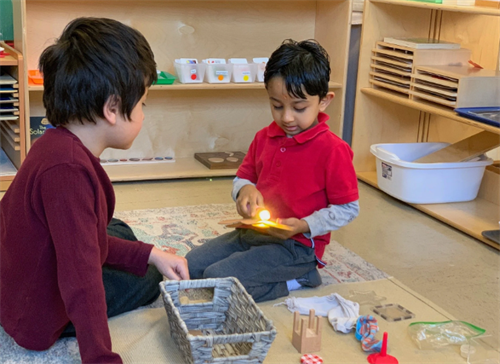
Practical life activities—like cooking, cleaning, gardening, or caring for pets—are at the heart of Montessori learning. They may look ordinary, but they teach coordination, patience, and self-confidence.
Invite your child to join you in real tasks: watering plants, folding towels, peeling bananas, or sweeping crumbs. Give them tools that fit their hands and let them take genuine responsibility.
Yes, it might take longer than doing it yourself. But when you slow down and involve your child, you’re not just teaching chores—you’re nurturing a sense of competence and belonging.
A toddler stirring pancake batter isn’t just “helping.” They’re learning concentration, fine motor control, and pride in contribution.
6. Respect the Process, Not Just the Outcome
In a Montessori home, how something is done matters more than how it turns out.
Adults tend to focus on results—Was it done correctly? Is it neat? Is it fast? But children are still learning how to do things. Interrupting or correcting too often can make them feel discouraged.
If your child spends ten minutes putting on their shoes or spills while pouring juice, resist the urge to step in. Instead, watch with curiosity. These moments are their lessons in perseverance and self-mastery.
You might gently model a new technique later, but during the process, let them own the experience. The joy of discovery—and the pride of doing it themselves—is far more valuable than perfection.
7. Foster Concentration
One of Montessori’s greatest insights is that concentration is a skill that can be nurtured. When a child is deeply focused—stacking blocks, arranging flowers, drawing—they’re in a state of “flow,” completely absorbed in the present moment.
Protect that focus. If your child is engaged in an activity, avoid interrupting unless necessary. Give them the gift of time and space to finish.
This focus naturally strengthens over time. You don’t need to push—it develops through meaningful, hands-on work that interests them.
When you see your child concentrating, step back quietly and observe. You’re witnessing growth in action.
8. Model Respectful Communication
Montessori philosophy emphasizes respect—not just toward adults, but toward children as equals in dignity.
Speak to your child politely and clearly, without baby talk or harsh tones. Instead of saying, “Because I said so,” try explaining your reasoning: “We need to clean up before dinner so we have space to eat.”
Listen to their opinions, too. Even if you can’t always agree, acknowledging their perspective shows that their voice matters. This mutual respect becomes the foundation for empathy and healthy communication later in life.
9. Use Natural Consequences
In Montessori homes, discipline is less about punishment and more about understanding cause and effect.
If your child forgets to put their toy away and it gets stepped on, that’s a natural consequence. If they spill water while pouring, they can help wipe it up. These experiences teach responsibility gently and effectively.
The goal isn’t to make a child feel bad—it’s to help them connect actions to outcomes. That’s how true self-discipline develops: from within, not from external control.
10. Observe, Don’t Rush
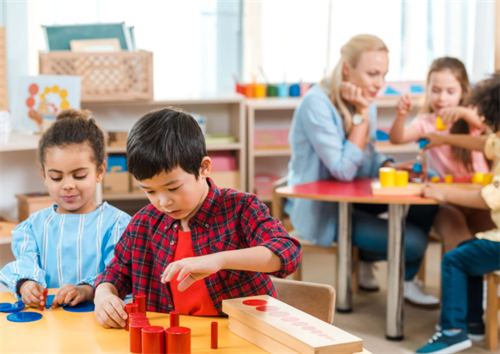
One of the simplest and most powerful Montessori tools is observation. Take a few moments each day to simply watch your child—how they move, what draws their attention, what frustrates or delights them.
These quiet observations reveal so much. You’ll begin to see what your child is ready for, what interests them most, and what they might need help mastering next.
When you observe without judgment, you start to understand the child’s world on their level. That’s when real connection—and meaningful learning—happens.
11. Create Routines, Not Rigid Schedules
Children thrive on predictability, but that doesn’t mean you need a strict timetable. Think of routines as gentle rhythms rather than rigid rules.
Morning routines might include getting dressed, eating breakfast, and watering plants together. Evenings could include quiet play, bath time, and reading.
Routines give children a sense of security—they know what comes next, and that helps them feel calm and capable.
Within that structure, there’s plenty of room for freedom and creativity. Montessori calls this “freedom within limits”—a balance between independence and guidance.
12. Bring Nature into Daily Life
Dr. Montessori believed nature was a powerful teacher. Encourage your child to spend time outdoors—gardening, collecting leaves, watching ants, or simply walking barefoot in the grass.
Nature invites exploration, curiosity, and peace. You can also bring it indoors: display flowers, grow herbs on a windowsill, or use natural materials in art and play.
These small connections to the natural world help children develop mindfulness, gratitude, and wonder—all qualities that fuel lifelong learning.
13. Remember: Montessori Is a Way of Being, Not Doing
The biggest misconception about Montessori is that it’s about activities or toys. In truth, it’s about how you relate to your child.
It’s in the way you slow down, respect their pace, and see them as capable human beings. It’s in how you invite them to join daily life rather than entertain them separately. It’s in the calm, thoughtful way you respond when things go wrong.
You don’t need a special shelf, set of materials, or expensive setup. You just need presence, patience, and trust.
Practicing Montessori at home doesn’t mean being perfect—or even following every principle exactly. It means creating a home where your child feels respected, capable, and free to explore.
It’s simpler than it looks. It’s in the way you hand your toddler a sponge to wipe up a spill instead of rushing to do it for them. It’s in the way you let your child take time to zip their jacket. It’s in the quiet pride you both feel when they finally do something all by themselves.
Montessori isn’t about control—it’s about connection. When you shift from “teaching” to trusting, your home becomes not just a place to live, but a place to grow together.
Recommend for you:
Why Free Time Is Crucial for Developing Creativity?
In a world that seems busier than ever, children’s days are often packed from morning to night—school, sports, homework, music lessons, language classes, and maybe a few minutes of screen time squeezed in before bed.
How Parents in Different Countries Manage Their Children's Use of Mobile Phones?
Children grow up surrounded by screens, using them not only for entertainment but also for learning, social interaction, and personal development.
The universally recognized parenting model: nurturing outstanding children
Across the globe, parents adopt different approaches to raising children, but research in developmental psychology highlights that some methods are consistently more effective in nurturing well-rounded, resilient, and successful individuals.
Fatherhood 2.0: How Modern Dads Are Re-defining Parenting
The image of fatherhood has changed more in the past few decades than in the previous hundred years.